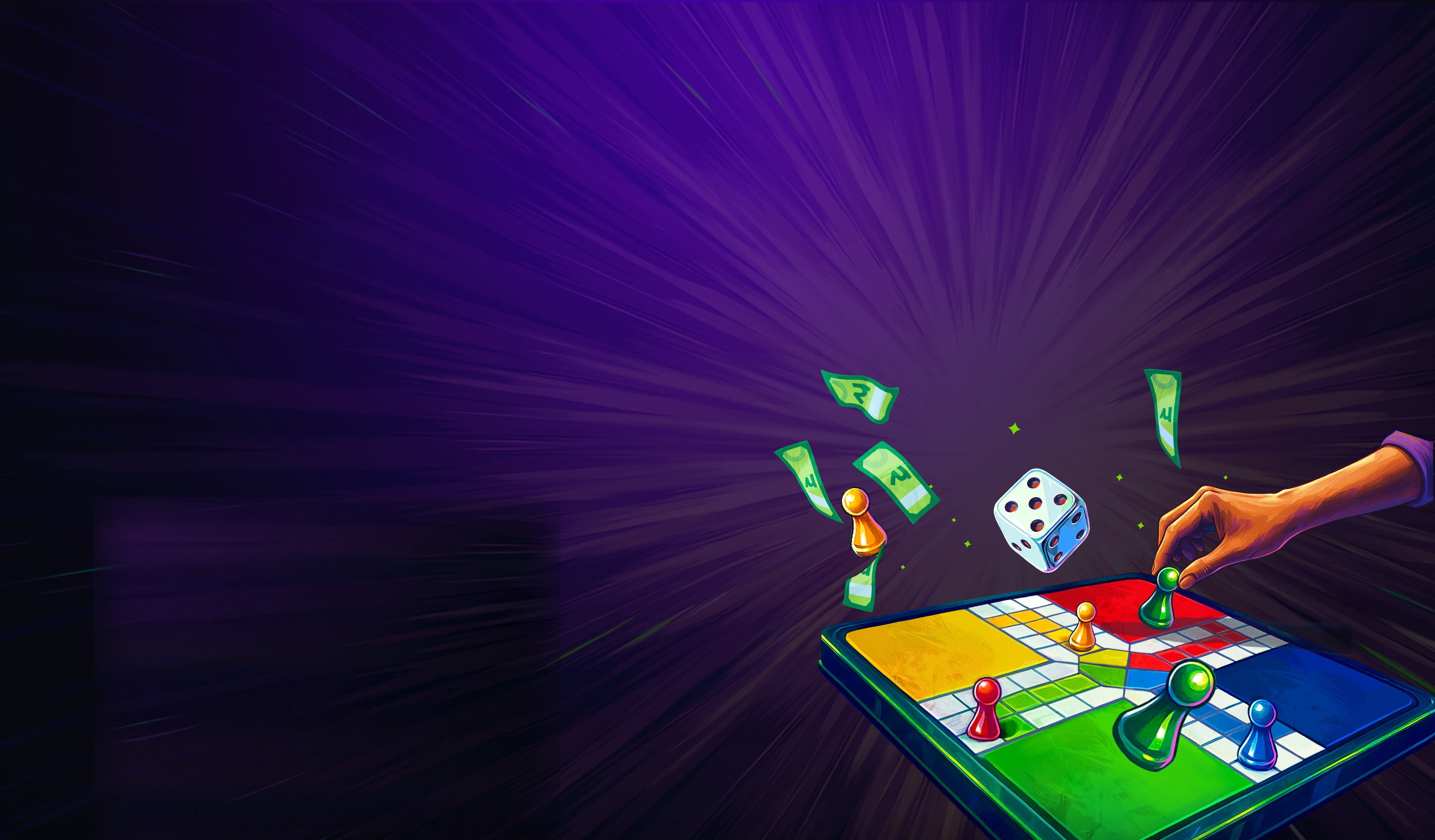
Dream11 · Casual real-money gaming
DreamPlay
A 0 to 1 build that extended Dream11 into casual gaming, giving players something to play beyond cricket season and creating a new entry point into Dream Sports.
What shipped
- 2
- Games shipped,
Carrom and Ludo - 7
- Formats
- ₹1.25 Cr+
- Daily CEA at peak
- ~20%
- Better Week-4 retention than industry norm
Why enter casual gaming as
a fantasy sports platform?
The opportunity
- Keep players engaged between cricket seasons
- Create a cheaper entry point into Dream Sports
The platform strategy
- One app for DreamPlay games and partner studios
- One shared wallet across the Dream Sports ecosystem
- Room to add more games over time
- Short sessions and quick payouts
- No second sign-up
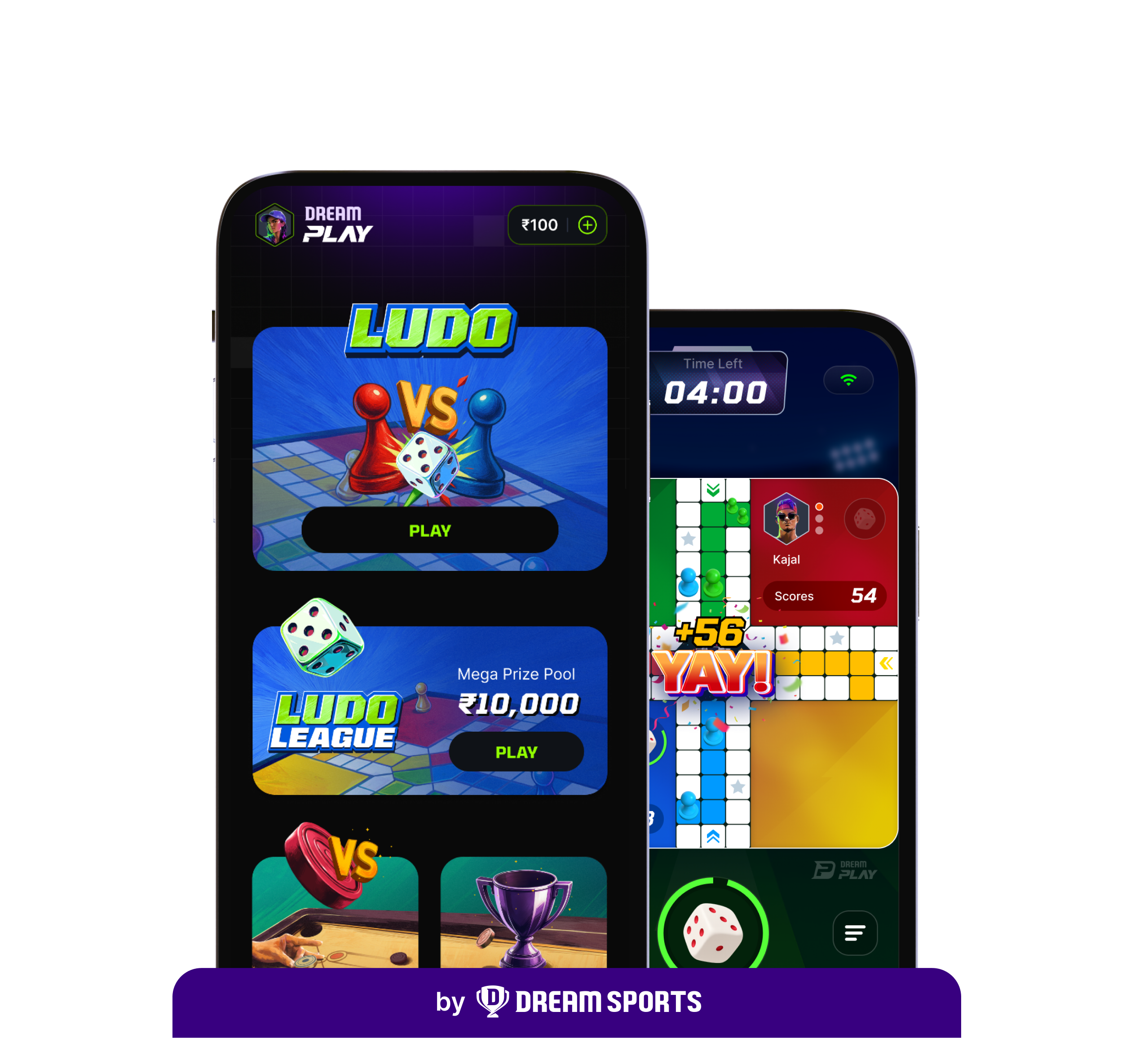
What were existing challenges?
What did the platform have to solve?
-
More games, bigger app
Large installs can be a barrier in a storage-sensitive market.
-
Sign-up and KYC drop-off
Every additional step adds friction.
-
Cheating and fraud
Real-money play requires trusted outcomes.
-
Slow matchmaking
Players need an opponent without a long wait.
-
Patchy networks
A dropped connection can affect gameplay and payment.
-
Build trust when things break
A stalled game can make players question the outcome.
One account
One wallet
Two platforms
Designing a low-friction platform flow
Integrate with Dream11
One account, KYC and wallet across the ecosystem.
Delay friction
Let players get into the experience before completing every check.
Parallel checks
Let players explore while checks happen in the background.
Platform handoff
Design for the handoff between the app shell and Unity.

Building a lightweight app
for Indian users
Challenge
Large installs can be a barrier in a storage-sensitive market.
Approach
One game ships with the app. Others download only when needed.
Ship the most-played game with the app
Other games download only when a player chooses to play.
Update content without a store release
Home, lobby and game assets update through a code push.
A shared template for every game
A modular system gives partner studios clear design guidelines.
Design the failure states first
Every state was designed, including retry and recovery.
Designing for the wait
The download experience had to work from progress through completion or retry.

The core DreamPlay
experience
Mapping the ideal flow, from home to gameplay and results
 Game selected
Mega contest
Game selected
Mega contestselected Contest join and
Unity engine initiated Challenge
selected Matchmaking
initiated Unity engine
initiated Game started Challenge
leaderboard Mega
leaderboard
Shaping the home and profile
Flexible widgets keep the home page fresh without an app update.
- Backend driven widgets
- Promote discovery
- Surface Mega Contests
- Easy access to wallet and account
The widget home
Profile and avatar
Helping players find the right contest
Research and iteration shaped the information, hierarchy and scanning pattern.
- Challenges are head-to-head. Leagues bring multiple players together.
- Popular contests lead the list
- Entry, prize and availability are key elements


Showing winnings, losses and playing history
A consistent layout across wins, losses and playing history.
Winning moment
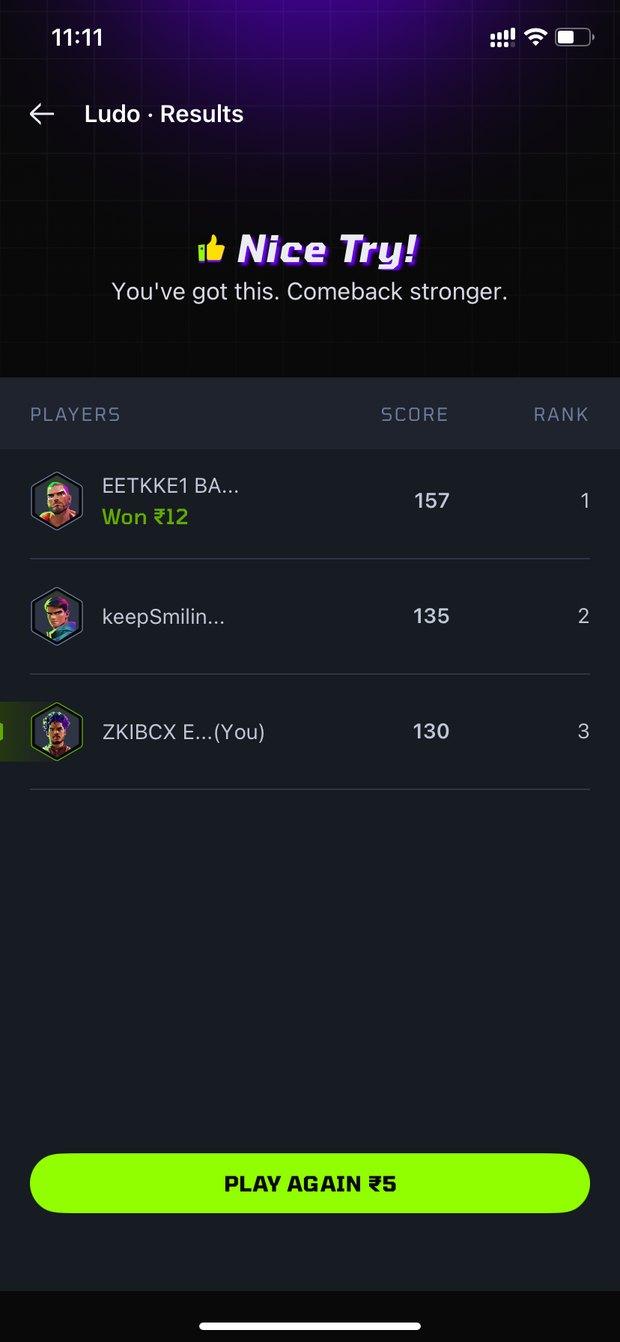
Losing moment
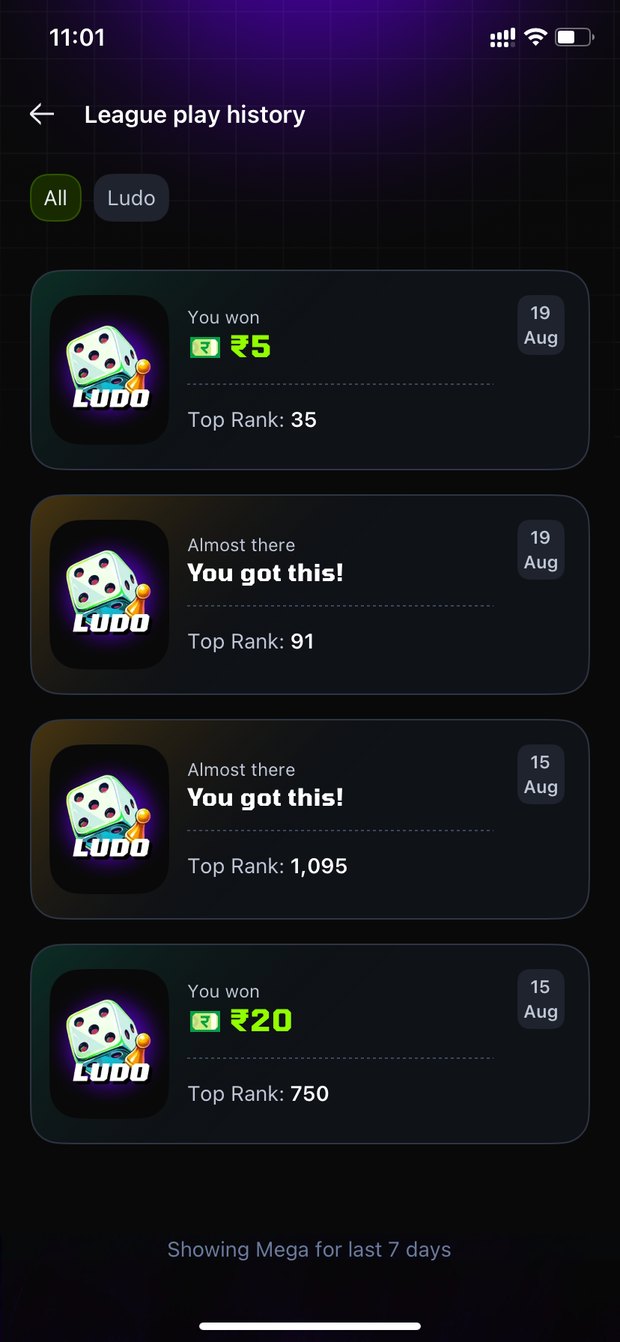
Playing history
Bringing the design language into the game
Real-world game elements, movement and delight, while keeping the board easy to read.
- Real board elements, with weight and depth
- Vibrant colour and motion
- Sound, haptics and celebration at key moments
- Move timers to keep the game moving
Three players
Scoring and states
Defining the
DreamPlay language
Design for the Indian mental model.
Build a language that scales.
-
The challenge
It had to use Dream11's brand recognition while building its own identity.
-
The opportunity
Bring a fresh visual and interaction language to a dated RMG category.
-
The ambition
Build for games, studios and markets beyond our own.
A palette that reads energetic, young and sporty
A flexible palette with enough range for every game.
Tomorrow
Titles. Angular and distinctive.
Inter
Body and interface. Designed for legibility.
Illustration and iconography with gaming flair
Real-world objects, drawn with movement while staying instantly recognisable.

A shared design template for every game
Common sizes, layouts and components give partner studios a clear starting point while leaving room for each game to feel unique.
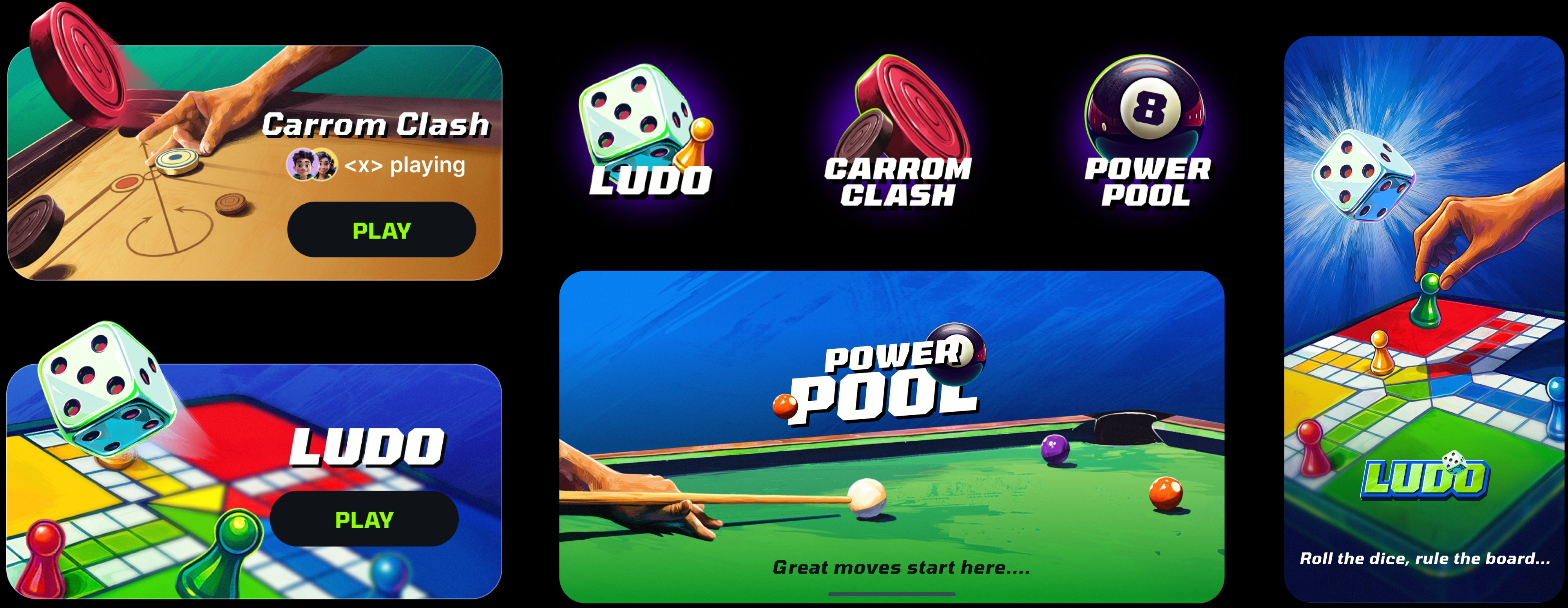
Bringing the system to life
Designing for
every state
Handling failed matchmaking
A player has already paid, so a failed match needs a clear next step.
- Skill based pairing
- Retry prompt in case matchmaking fails
- Suggest other contests
Finding an opponent
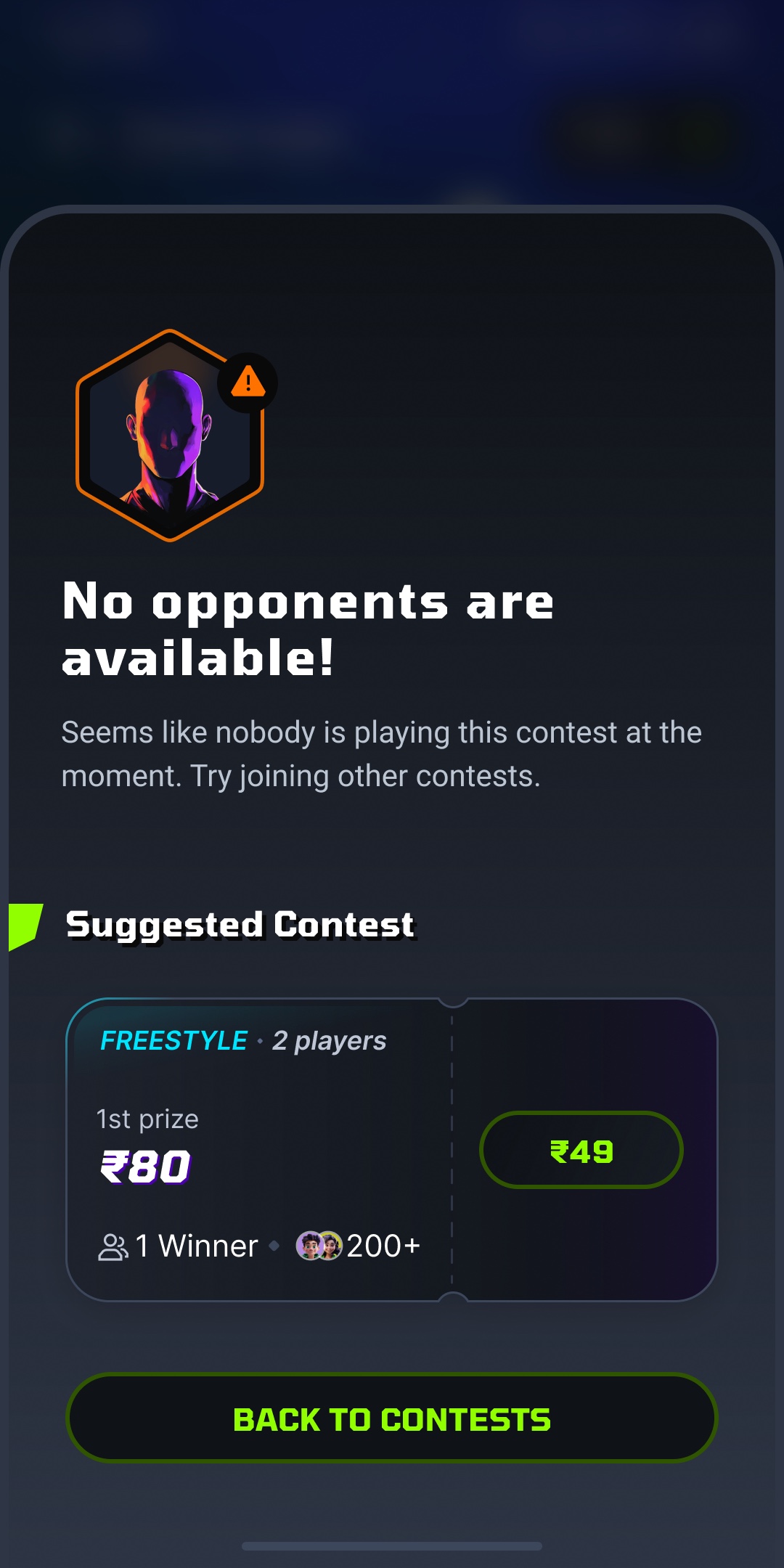
High failure rate
Show progress as games finish
Scores and ranks update as each game ends, while games still in play remain clearly marked.
- Scores posted after each game
- Show running and in-review states
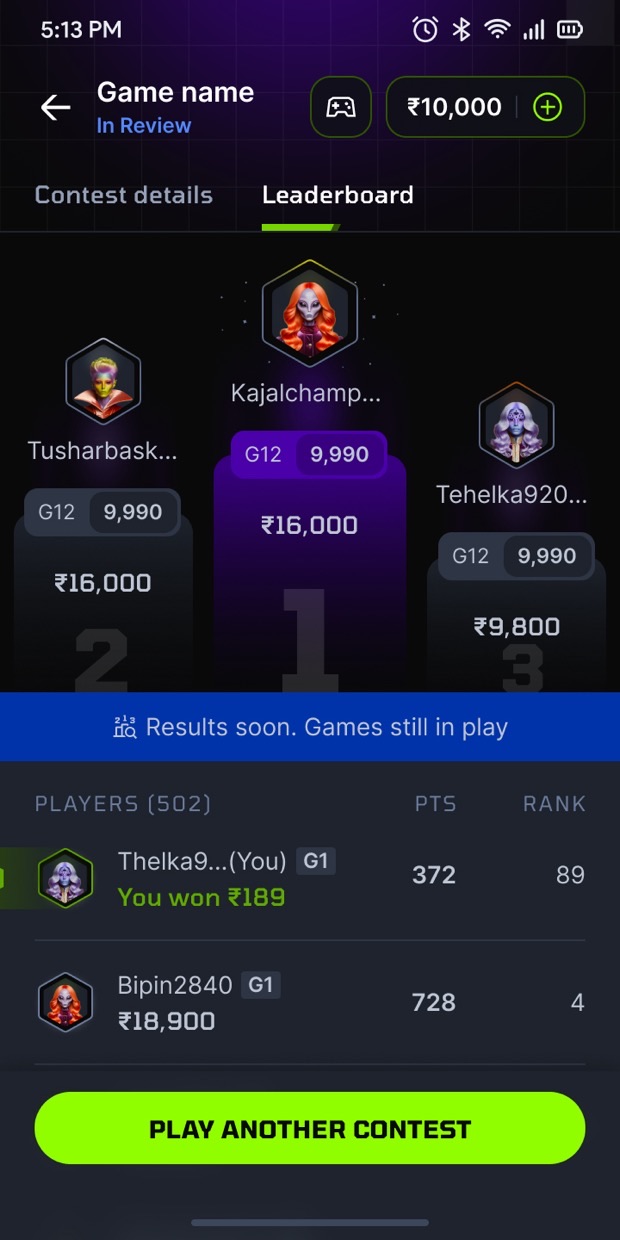
Scores still updating
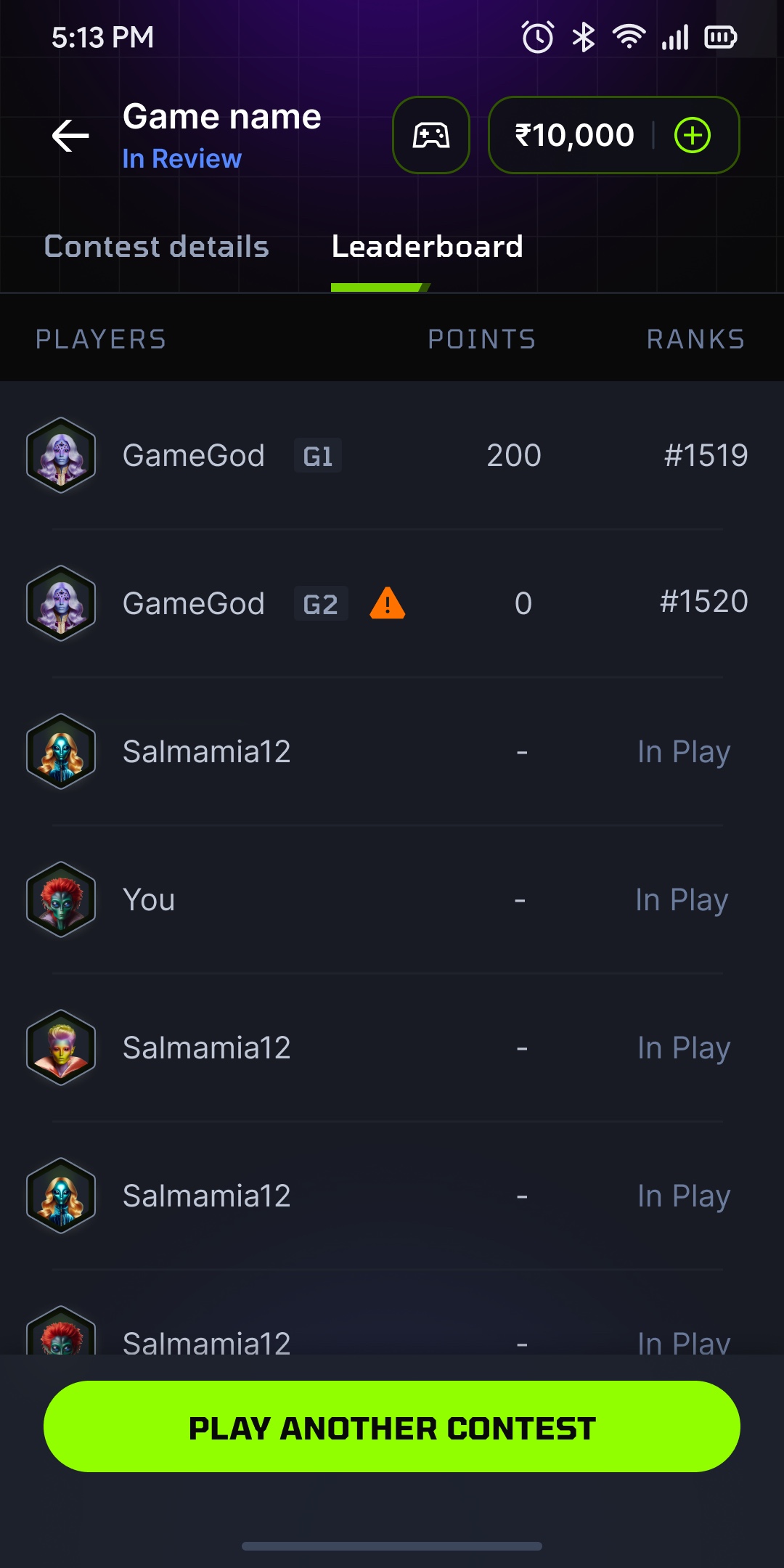
Waiting on results
Protecting play when things go wrong
Server-side verification protected scores, while the dice animation gave the check time to complete.
- Clear error messages named the cause.
- Turn caps prevented lag from holding up the table.
- Refunds covered cases where the fault was ours.
Keep the game moving when players drop out
A turn has a cap, so one player leaving never holds up the table.
A missed turn
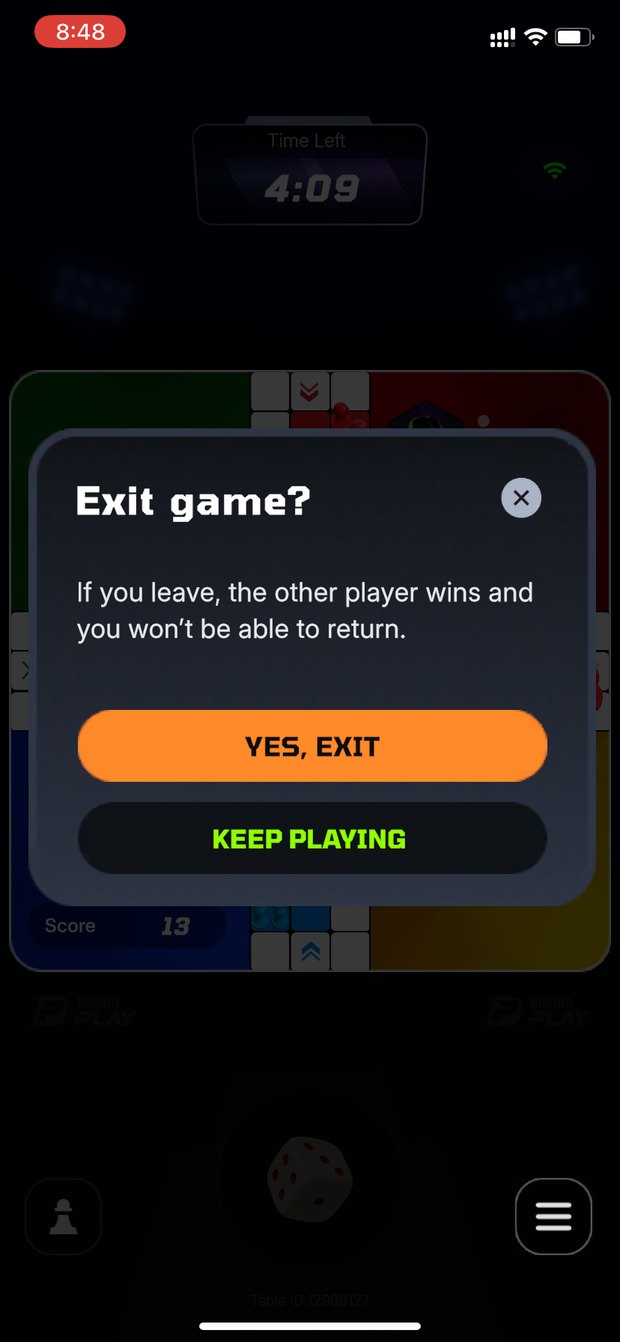
Leaving mid-game
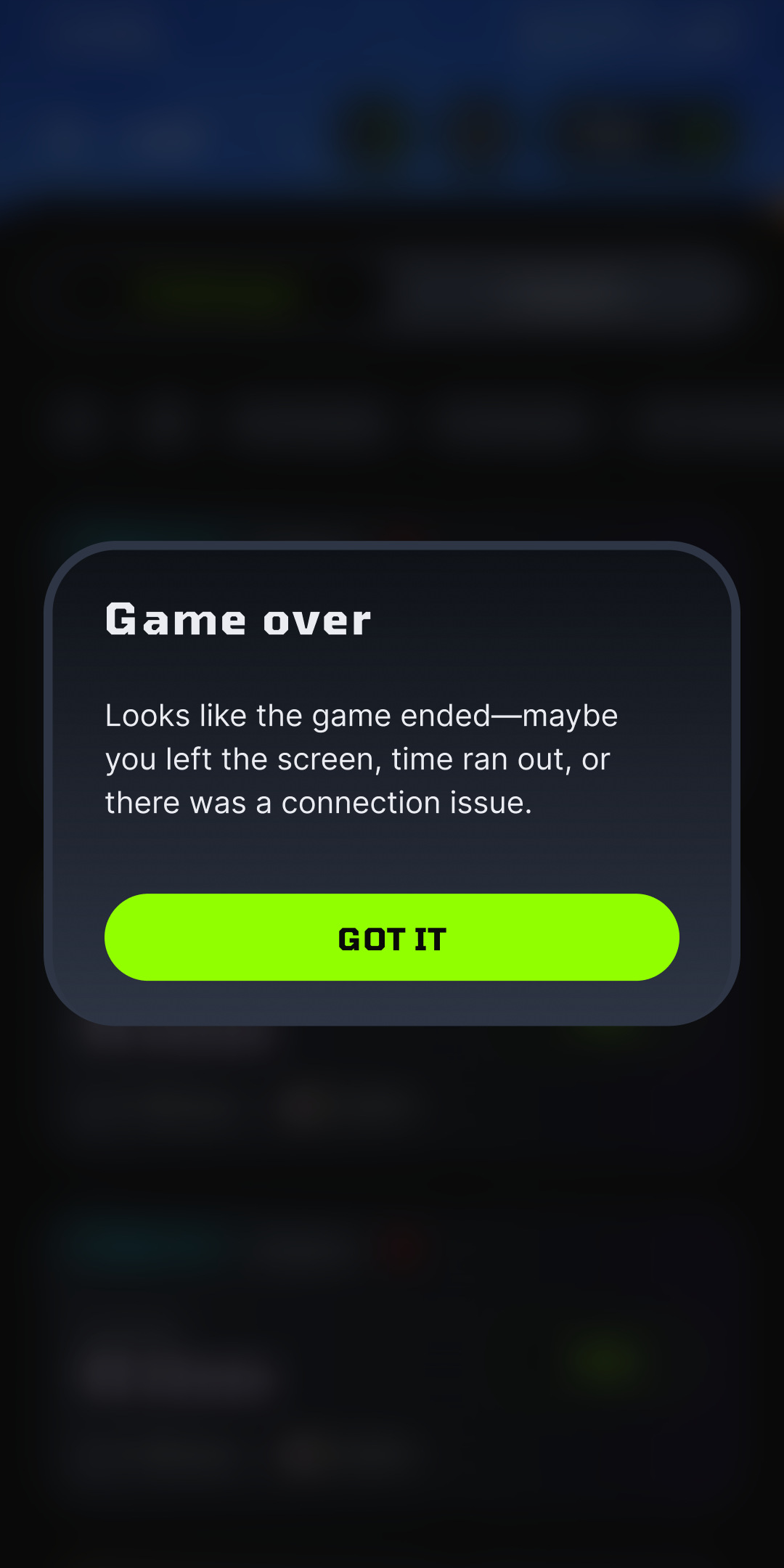
Game over
Handling network errors
A dropped connection can affect gameplay, payment and trust.
The friction
- The platform handoff between the app shell and the game.
- The attribution problem: whose fault was it, and who pays?
Contextual recovery
- A settling window for reconnects, followed by a one-minute timeout.
- Each message explains what went wrong and what happens next.

Make every message and error actionable
Every message says what happened and what to do next.

Introducing DreamPlay
through Dream11
Placing DreamPlay at natural moments inside Dream11
DreamPlay appeared at natural moments: mid-innings, on the home page, and around live or post-match leaderboards.
Dream11 home
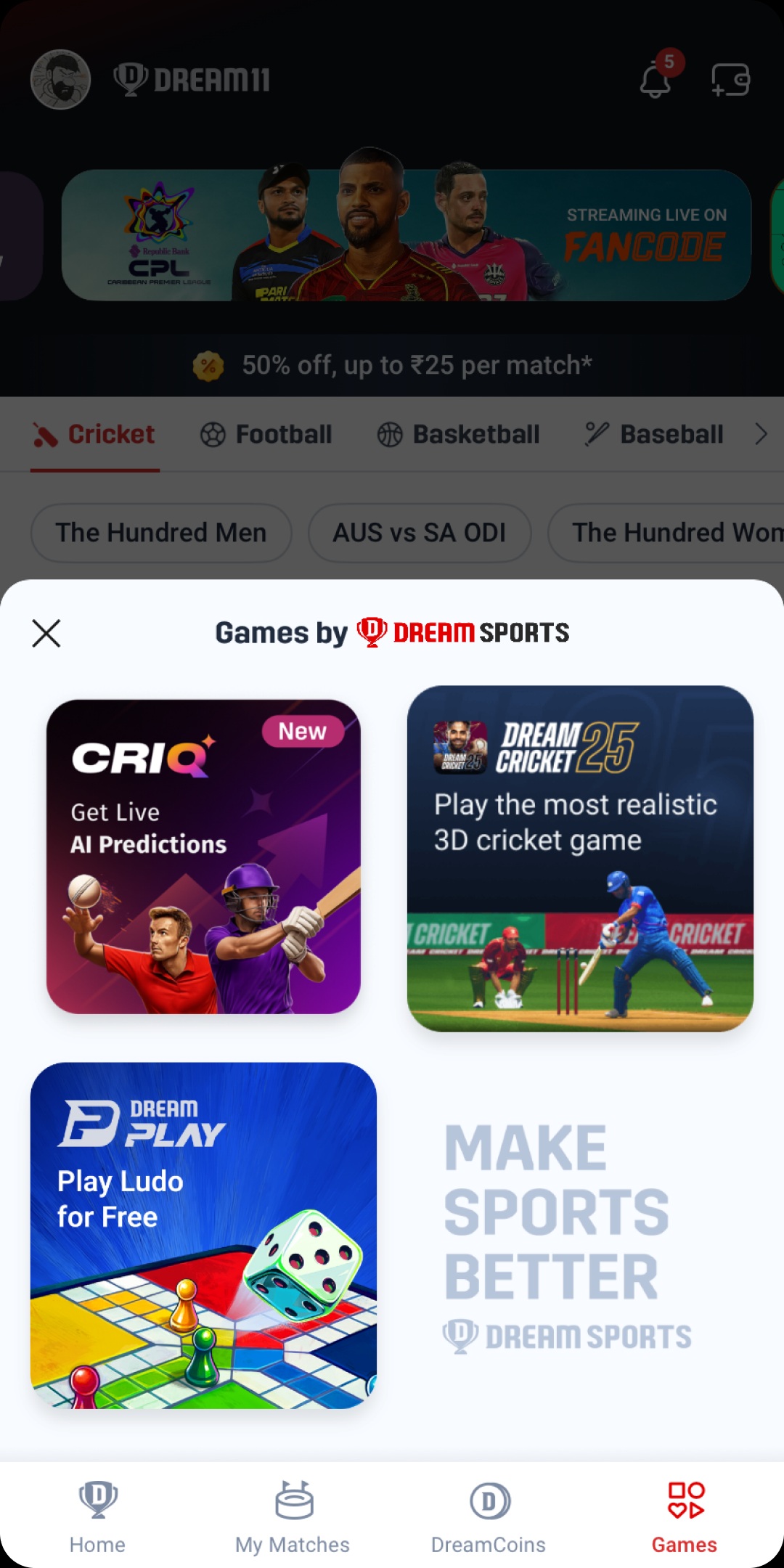
Games tab
Mid match nudge
Bringing the visual language into communication
Each game kept its own identity within the DreamPlay frame.
- Dream11 guidelines anchored the system.
- Topical messaging tied promotions to the match or season.
- Game-specific colour and identity made each promotion feel native to the game.

From launch to
September 2025
How DreamPlay evolved
